Safety Tips To Be Followed While Taking Prescription Drugs

Prescription drugs are those drugs that are generally prescribed for a particular type of ailment or health problem. These drugs are made to protect our lives from several different types of ailments, but if not used in a proper manner or without a proper consultation, these prescription drugs can also become a silent killer in our body. Here are a few tips given for the safe use of such types of prescription drugs that must be followed for a better result.

  • Interaction of different types of drugs can be harmful and can even lead to death of the person taking the drug. So, it is advised to provide a complete list of drugs that you are taking to your doctor or pharmacist to avoid drugs that may cause harmful interactions with your current drugs.
  • There are various warnings printed on drugs and these are given for a purpose. Always study those warnings before taking a pill of any of the drugs. This may save you from taking wrong medicine.
  • It is common that our family members, friend or other known persons to provide us certain drugs depending on our ailment. They might be thinking that they are prescribing you the correct medicine for your ailment, but it is advised not to take any drug without consulting of pharmacist or doctor.
  • It is common among alcohol drinkers that they use to drink alcohol after or with the drugs that they are prescribed for their better health. But the interaction of drugs with alcohol worsens the effect of the drug and increases their side effect on the body.
  • Many low earning families are used to the preserve drugs prescribed for their present ailment to be used in the future in order to save money. This is a good habit as some non disposable medicines can cause adverse effects on the environment of the earth. But, there is a limit of every drug up to which it can be preserved and is depicted by the expiry date. Using a drug after its expiry date has passed away can cause negative effects on your health.
  • There is another practice common among people to save money and that is by dividing drugs into parts and preserving them for future use. Nevertheless, various safety drugs are specially advised not to be crushed or split into parts as this act can cause severe side effects to the person taking the drug.
  • This is a common advice found in every drug packing to store them in a dry, dark and cool place to preserve them.

Improper disposal of drugs can cause a severe effect on the environment of the earth, which can cause harmful effects on other living beings as well. So, always conceal drugs properly in coffee bags, ground or other non-searchable items. You can get the drugs from various companies such as Northwest pharmacy. They offer genuine and safe medicines.
Canadian Steroids

I have been diagnosed with crohns-colitis ans I am getting off the steroids. I have been on 20 mg Canadian steroids for the las year or so and on 175 mg Imuran for the last 5 months. My doctor intended for me to gradually lower the dose
of steroids after being on Imuran so for the last 2 weeks I lowered the dose to 15mg. For the last 3 days I have been experiencing severe joint pain and a temperature (fever) of 37,3°-37,5° C.

This scares me, I don’t know is it possible that this is a flare-up again (but I do not have diarhea or frequent stools as I would expect), or is it a side-effect of lowering steroids after 10 days, or is it a side-effect of Imuran after 5 months of no problem.

I don’t know about the temperature, but I know the joint pain can be a side-effect of lowering the steroids; lowering the dosage of anti-inflammatories sometimes creates a compensatory response - psuedoarthritis - in which the joints swell up a bit. It shouldn’t be too bad; if it is, as you say, severe then you should be contacting your doctor.

Unless your doc has a reason, i think lowering your dose from 20mg to 15mg all at once is a bit drastic. normally (from what i have done and experienced and of what i know of others), the lowering is by 1 or 2 mg/per at the dosage. dunno, just my experience, you might want to try a slower wean.

Being on pred for a year straight is NOT good. With UC, I’d choose to have my colon out before I’d go on pred for a year. Better to lose one bodypart then destroy your entire body with that crap. Of course if you have crohns then you don’t have much of a choice. I sure hope the imuran helps you get off the pred for good. I’m on 200mg imuran/day and have been on it for 6 years. It’s no longer working to keep me in suppression as it has for so many years so I just started back on steroids. Sucks - if I can’t achieve remmission soon and get off the steroids, it’s either helminth therapy or surgery for me.

Eating Lots Of Carbs May Raise Breast Cancer Risk, Study Finds

High-carb diets may increase more than just waistlines. New research suggests they might raise the risk of breast cancer. Women in Mexico who ate a lot of carbohydrates were more than twice as likely to get breast cancer than those who ate less starch and sugar, scientists found. The study is hardly the last word on the subject, but it is one of the few to examine how the popular but controversial low-carb diet craze might affect the odds of getting cancer, as opposed to its effects on cholesterol and heart disease. The new findings also don’t mean that it is safe or healthful to eat lots of meat, cheese or fats, as many people who go on low-carb diets do, experts say.
“There are many concerns with eating diets high in animal fat,” said Dr. Walter Willett, chief of nutrition at the Harvard School of Public Health. “If people do want to cut back on carbohydrates, it’s really important to do it in a way that emphasizes healthy fats, like salads with salad dressings.” Willett worked on the study with doctors at Instituto Nacional de Salud Publica in Cuernavaca, Mexico. It was funded by the U.S. Centers for Disease Control and Prevention, the Ministry of Health of Mexico, and the American
Institute for Cancer Research. Results were published Friday in the journal Cancer Epidemiology, Biomarkers & Prevention.
Fats, fiber and specific foods have long been studied for their effects on various types of cancer, but few firm links have emerged. Being overweight is known to raise risk, but the new study took that into account and still found greater risk from high carbohydrate consumption. Scientists think carbs may increase cancer risk by rapidly raising sugar in the blood, which prompts a surge of insulin to be secreted. This causes cells to divide and leads to higher levels of estrogen in the blood, both of which can encourage cancer.
A study earlier this year suggested that high-carb diets modestly raised the risk of colon cancer. Little research has been done on their effect on breast cancer, and results have been mixed. One study last year found greater risk among young women who ate a lot of sweets, especially sodas and desserts. For this study, researchers enrolled 475 women newly diagnosed with breast cancer and a comparison group of 1,391 healthy women in Mexico City who were matched for age, weight, childbirth trends and other factors that affect the odds of getting the disease.
Women filled out a lengthy food questionnaire developed by Willett and widely used in nutrition studies, and were divided into four categories based on how much of their total calories came from carbohydrates. Those in the top category — who got 62 percent or more of their calories from carbs — were 2.22 times more likely to have breast cancer than those in the lowest category, whose carb intake was 52 percent or less of their diet.
“The findings do raise concern about the possible adverse effects of eating lots of carbohydrates,” especially for people who have diabetes, insulin resistance or are overweight, Willett said. “It adds to the information that diet’s important” with respect to cancer risk, said John Milner, the National Cancer Institute’s chief of nutrition. How applicable the results are to American women is debatable. arbohydrates make up half of the typical American diet — less than what most of the women in this study consumed.
“The main carbohydrates these women ate were corn-derived, including tortillas, and soft drinks and bread,” said Dr. Eduardo Lazcano-Ponce, one of the Mexican physicians who did the study. Corn isn’t fortified with folate and other nutrients as are many grains, cereals and other sources of carbohydrates eaten in the United States, and those nutrients might help prevent cancer, noted Sandra Schlicker, executive director of the American Society for Clinical Nutrition.
Breast cancer rates in the United States are among the highest in the world. Nearly 132 cases are diagnosed for every 100,000 women. In Mexico, incidence is rising and is currently estimated at 38 cases per 100,000 women. But Willett cautioned that those rates are not adjusted for age differences and that the U.S. population is considerably older than Mexico’s and therefore more at risk of cancer.
In the study, women who ate a lot of insoluble fiber — found in whole grains, fruits and vegetables — had somewhat less risk of breast cancer. Fiber can modulate the absorption of carbohydrates. “It leads me to believe that healthier carb sources, or at least diets containing fiber, would be less strongly associated with breast cancer,” said Marji McCullough, a senior epidemiologist and nutrition expert at the American Cancer Society.
Experts say more research is needed through a study that, instead of relying on women’s memories about what they ate, asks them to keep food diaries and then follows them for years afterward to see which ones develop cancer. Finding dietary links to breast cancer is important because diet is one of the few risk factors a woman can easily modify.
“This study alone isn’t enough for people to make changes in their diet, but it’s a cautionary sign,” Willett said. The Institute of Medicine recommends that carbohydrates constitute 45 percent to 65 percent of calories, and that no more than 20 percent should come from added sugars, said Schlicker, who served on the panel that drafted the advice. New dietary guidelines are due to be released next year.

NY Daily News: Imus Swears at Young Cancer Patient

“Anywhere else that happened in this kid’s life,” says Imus, “they’d send him to the infirmary for a couple of days. And I know you can’t blame parents of a kid with cancer for being cautious. But after our medical people checked him and said he was okay, he kept going. He told me later it was one of the great moments of his life. To the other kids he was a hero.”

Stories like that are why Imus launches the 15th annual WFAN (660 AM) Radiothon tomorrow morning.  The Radiothon, which has raised more than $25 million, benefits three organizations: the Tomorrow’s Children Fund at Hackensack University Medical Center, the Imus Ranch and the CJ Foundation for SIDS, created in memory of Carly Jenna Hollander. Carly Jenna, daughter of former WFAN general manager and current Infinity Broadcasting President Joel Hollander, was a SIDS victim in 1993.

So the Radiothon has always had a somber foundation, and Imus’ guests include cancer patients, family members of SIDS victims and others whose stories aren’t light morning radio talk.  ”It gets hard,” Imus admits. “It’s not fun for anyone to talk about all this.”  But, being Imus, he finds some of his motivation through irritation.

“What I want to know,” he says, “is why the government won’t fund more cancer research. Something like 50% of the population will get some form of cancer, so I don’t understand why our representatives, just for self-preservation, won’t commit more to research. The money is there. They spend it on other things.  ”Breakthroughs are happening all the time. But so much of it has to come from private financing.”

That includes the Radiothon, which Imus kicks off 5:30-11 a.m. tomorrow at the New York Stock Exchange.  WFAN’s next two shows, Jody McDonald and Sid Rosenberg, 11 a.m.-1 p.m., and Mike and the Mad Dog, 1-7 p.m., will be live from the Museum of Television & Radio, 25 W. 52nd St. The public is invited to drop in.

After the Mets’ game, Steve Somers and then Joe Benigno will keep it going overnight. Imus wraps it up 5:30-10 a.m. Friday from the Don Imus-WFAN Pediatric Center at Hackensack Hospital - a facility built largely with Radiothon funds.  Sports and entertainment packages, including Super Bowl and Grammy tickets and a trip to Boston on the Yankees charter, will be auctioned on-air all day.

“Imus is the driving force, but I can’t say enough about how the team pitches in,” says WFAN program director Mark Chernoff. “It’s become a station event.”  Imus and his wife, Deirdre, bring about 500 kids a year to the ranch and Imus says they’re working on ways to bring more. “Last year,” says Imus, “one of the kids told Deirdre, ‘Everywhere else we’re the junior varsity. Here, we’re the varsity.’ That’s the kind of thing that makes all the work worthwhile.”


American Cancer Society a Danger to Science?

The credibility of the peer review process has come under vehement attack.  Scientists who receive no-strings-attached financial support for their research from demonized industries - tobacco, pharmaceuticals, and food, among others - are no longer deemed trustworthy.

Apparently, the rigors of the peer review process - even in the world’s best science and medical journals - in addition to full disclosure requirements, isn’t enough to prevent “biased” studies from being published.  Activists - displeased with results that undermine their agenda - cry bias, and prestigious science and health organizations cave, preferring to appease the advocates, rather than allow the scientific method to weed out bad science.

One of the country’s most distinguished cancer organizations has succumbed to the prohibitionist faction of the anti-tobacco movement’s demagogic rhetoric.  Accepting and adopting these crusaders’ guilt-by-association arguments at face value, rather than identifying flaws in the research results they oppose.

Earlier this year, the American Cancer Society (ACS) passed a resolution barring scientists who receive financial support from the tobacco industry from receiving ACS grants.  Responding to news of the resolution, Dr. Elizabeth Whelan warned ACS (see letter below) against their injurious adoption of such a litmus test.  Using funding as a basis for rejection is detrimental to the process of providing unbiased, peer-reviewed health information.

Such policies have unseen costs and unintended consequences.  They may produce biased research by cherry-picking authors and results and confusing public debate - mirroring the tobacco industry’s stratagem.  Further, they set a dangerous precedent by giving opponents of sound science a new weapon.  If the science is faulty, we should use science itself, not ad hominem or innuendo, to detect the problems.

ACS’s response to our criticsm?  Six months later, we’re still waiting.  Regardless of whether we ever receive a reply, we hope ACS got the message. Putting science ahead of ideology is best for cancer patients as well as the general public, who rely on good science - that which is able to survive the rigors of peer review - not simply good intentions.


NEW VERSION OF TEST FOR CANCER-CAUSING AGENTS NEEDS NO ANIMALS

A new version of a popular test for cancer-causing agents is cheaper, more sensitive and, best of all, animal-free, thanks to a U of G researcher. Prof. David Josephy, Chemistry and Biochemistry, has developed a way of testing substances for cancer-causing potential without using animal tissue. Instead, his version of the Ames test involves gene splicing.

“Nobody has figured a way around using animals until now,” says Josephy. “We hope that no more animals will have to die for the sake of the Ames test.” Two decades ago, the Ames test (named after inventor Bruce Ames, a bacterial geneticist from the University of California at Berkeley) was heralded as a breakthrough in cancer research. Ames’s goal was to eliminate the use of animals in tests for cancer-causing or “mutagenic” agents.

In his efforts to put an end to animal use, Ames came up with a way to use animal tissue for his tests, rather than the whole animal. In animals, cancer-causing agents are inactive until they’re chemically changed or “metabolized” by certain enzymes. When they’re changed, they become dangerous because they’re converted into different forms of chemicals.

Ames chose rodent liver extracts for his test because the liver contains more metabolic enzymes than other organs do. In a test tube, he combined liver cells and bacteria. He used bacteria because they’re so small that billions of cells can be affected by the mutagen in one test, making results easier to observe. When a potential cancer-causing agent is introduced into the test tube, it’s metabolized by the enzymes in the liver and causes DNA damage or mutations to the bacterial cells. DNA damage mutates cells, which results in cancer in animals.

The test has enabled researchers to identify carcinogens such as the charring on burnt food and a chemical used to fireproof children’s pyjamas, which was banned after the discovery was made. The Ames test used only a portion of a rodent’s liver. That meant it reduced the use of animals needed to detect suspected mutagens because one liver provided enough material for hundreds of tests. With the Ames test, mutagen-detection laboratories need to use only a few dozen rodent livers each year instead of the thousands of animals that lifetime feeding tests would require.

Now Josephy has taken that a step further. He has completely eliminated the need for animals to be involved. In the last few years, researchers have identified the gene — called P4501A2 — that makes the enzyme needed to metabolize carcinogens so they become mutagenic. Different enzymes metabolize different carcinogens; the enzyme P4501A2 metabolizes one class of compounds called aromatic amines, the carcinogens in charred material.

Josephy spliced the P4501A2 gene into the bacterial cell responsible for producing the metabolizing enzyme that identifies it as a mutagen. By splicing the gene into the bacteria, he’s made it possible for the bacteria to produce the required enzyme, so that no rat liver is needed. As a result, when potential mutagenic chemicals are introduced, the bacteria are a complete mutagen-detecting package  in themselves.

Josephy has installed a clone of the human P4501A2 gene into the bacteria to make the test even more representative of human metabolism. The cloned human genes come from Peter Guengerich, a collaborator at the Vanderbilt University School of Medicine in Nashville. “It means we can do a much more sophisticated mutagen analysis than we could in the past,” says Josephy. “We’re fulfilling Ames’s goal.” This work is sponsored by the National Cancer Institute of Canada and the Natural Sciences and Engineering Research Council.


US-CA, An Associate Scientist in Cell Biology, Cancer Research

COMPANY
Well-equipped U.S. research headquarters of international drug discovery company. Attractive campus. Excellent resources. High caliber of science. Company is committed to cutting edge research. Provides cutting-edge tools and support. Highly collaborative environment.

DESCRIPTION
Cell biology associate scientist for a cancer research group heavily focused on breast cancer. Apply 3 to 5 years of relevant experience ideally acquired within an industrial biotech environment.

RESPONSIBILITIES
Within a cell biology department, support cancer research genomics program focused on breast cancer. Apply knowledge in cell biology, cell based assays, cell-cell and cell-matrix signaling mechanisms, and antibody experience. Develop, optimize and perform cell-based assays to evaluate novel-gene therapeutic candidates. Validate novel protein drug targets utilizing strategies such as neutralizing antibodies and anti-sense oligonucleotide-based gene knock-outs. Another validation method used will be transfections of wild-type and dominant negative protein.

LOCATION
San Francisco Bay Area.
QUALIFICATIONS
BS or MS in cell biology with 3 to 5 years of pertinent experience, ideally within an industrial biotech setting. Broad knowledge of cell biology. Cell based assay experience (ex: proliferation, apoptosis, migrations and/or invasion assays). Experience working with cancer cell lines. The ability to manipulate a cell is important. Two crucial areas of technical knowledge are: 1.) Mammalian cell transfection and 2.) Delivering antisense oligonucleotides. Ideally we are seeking experience in the culture and transfection of primary and established human cell lines. Strong interpersonal and problem solving skills also important..

DESIRED (Not Mandatory)
Possible growth factor experience. Extracellular matrix interaction. Familiarity with: DNA expression vectors. Antisense olignucleotides. Immuno-cytochemistry and antibody characterization. Molecular biology techniques: such as cDNA cloning, DNA and RNA isolation. Northern and Western blot analysis.

COMPENSATION
Competitive salary and benefits.


Todays Cancer Research a fraud !

If you did not see her show, you missed one of the best investigative reports into the mishandling of cancer research.  It appears most all is directed to the benefit of pharamacueticals…surprised?  Alot of power in the pursuit of selfish profit. In one scence Wendy Mesley confronts the head of the Cancer Society, and asks why all the other ‘chemical’ contaminants in our environment including pharmaceutical drugs, especially ‘the pill’ are not mentioned as risk factors in the cancer brochures.  The CEO from the Cancer Society has no answers, she just stumbles.

Well we move to a scene in France where the Drug companies are flogging their new drugs, wearing thousand dollar suits and gleaming since business was never so good and no one is really pursuing prevention as the cure. Sad, sad state where we have almost created a cult surrounding Cancer. Wendy Mesley should be given an award for daring to ask the question that no one else would!

There is another culprit involving cancer as well; COW MILK. Dairy products contain a hormone that is precisely identical in cows and humans. It is IGF-1 (insulin growth type factor 1)

The hormones and proteins of dairy products survive digestion in part due to the huge calcium load that buffers stomach ph from 2.5 to 6.5 and the encapsulation of the proteins and hormones by shattered fats due to homogenization. All the dairy hormones and proteins that become systemic are attacked by the human immune system, except for IGF-1 which is recognized as a ‘friend’. Ever wonder why your kids are always sick? Their immune system is so busy fighting cow proteins/hormones it can’t deal with other invaders.

Growth parameters are determined by genetic code. As these parameters are met, hormone levels drop. Introducing bio-active hormones can inititiate cell proliferation of random cancer cells. EVERY human by age FORTY has cancer cells regardless of lifestyle or diet. Cancer research and dairy are both mega-business and neither wants the other to dissappear. They work so well together but to no one’s good and only to their mutual profit. Dairy causes cancer and gives researchers bigger budgets as cancer incidence rises. Cancer researchers in spite of the fact that they KNOW IGF-1 causes cancer cell proliferation and KNOW the ONLY source of IGF-1 other than the body is cow milk look the other way and pretend they don’t know.

Don’t wait for a magic pill to be developed. As long as you are fueling your cancer cells with IGF-1 there ain’t NEVER gonna be a cure. Prevention is the cure and prevention means NOTMILK.


Stoney Creek - Chart Sales for Cancer Research

“In May 1993, Lois Norford was diagnosed as having malignant cancer.  In her own words, she spent a year ‘stomping around wondering why *somebody* didn’t do *something* to eradicate this terrible disease’  Reading about Just CrossStitch designer Cathy Livingston’s cancer-related death in early 1994 upset her even more, yet it also helped her realize that *she* was somebody and she *could* do something about it.
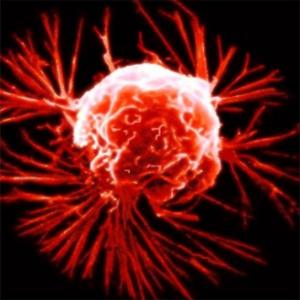
With the help of her special friend, Dee Jenkins of Dee’s Needlworks, Lois formulated a plan to raise funds for cancer research.  She created a beautiful needlework pattern (approximately 32 pages with a full color cover) which will be sold to shopowners for $15.00. Lois is asking the shopowners to sell the pattern at cost (so please purchase your materials from the retailer who sells you the pattern in appreciation of their generosity).  Of this cost, $10.00 will be deposited automatically into a special fund at Harrisonburg Crestar Bank to be given directly to CANCER RESEARCH.  The remaining $5.00 will be put into a working account to cover costs ONLY to produce the pattern (photography, additional printings, accounting fees to administer the fund, etc.).  Any moneys remaining in the working account at year-end will be transferred to the RESEARCH FUND.  (An independent committee of folks — including doctors dedicated to and specializing in, cancer treatment — will target a research project or center for receipt of these funds prior to the pattern’s release on January 1, 1996. We will pass on this information to you once the decision is made.)

The pattern for this project will be offered for sale from January 1 through December 31, 2020 only.  So talk to your local needlework store and reserve your copy.  Together all of us CAN make a difference in the search for a permanent cure for cancer.”


Raising Money for Breast Cancer Research

SACRAMENTO, CA —As a skilled and successful surgeon, Dr. Ernie Bodai has used his medical expertise to teach, invent surgical tools, start a business, and lecture. However, in January, he decided to work for “pennies” in very different realms…social activism and political lobbying. A thousand breast cancer operations has convinced Bodai, Chief of Surgery, at Kaiser Permanente, Sacramento, CA, that much larger- scale research is needed.  ”We just haven’t progressed in the diagnosis and treatment of breast cancer,” Bodai exclaims.

The Cure Breast Cancer (CBC) campaign would raise money in an innovative way.  Bodai is lobbying the Postal Service and Congress to issue a voluntary 33 cent postage stamp. If purchased, the extra penny would go to breast cancer research at the National Institutes of Health (This is not the recently issued Breast Cancer Awareness Stamp which does not raise any additional funds for cancer research.).  Dr. Bodai said, “60 billion dollars of 32 cent stamps are issued annually. If half of them were 33 cent stamps, that could raise as much as 300 million dollars.”

Although this goal hasn’t been achieved yet, Bodai is confident because of early successes. His compassion, civic mindedness, and talent have already impressed Congress.  In just nine months, Bodai and his volunteers have promoted and lobbied all the way to getting the breast cancer postage stamp introduced into both Houses of Congress, with ninety Representatives and four Senators on the bandwagon thus far.

Bodai works tirelessly for public support. With the help of supporters such as Mercy Davidchik, a breast cancer survivor, the surgeon conducts a “grass roots” campaign to get signatures on petitions to Congressional leaders and endorsements from all types of local, state, and national organizations.

“We have obtained many letters from city and county officials to Congress, and we just received the endorsement of the California State Senate,” said Davidchik, a former patient of Dr. Bodai.  Currently, we are conducting a nationwide letter writing campaign to get support and publicity from large health-related and  civic groups,” she added. National organizations already supporting the idea include the American Cancer Society and American Medical Association.

Opponents have raised concerns about costs of administering such a stamp, but Dr. Bodai’s plan calls for corporate donations from companies profiting from this disease to help defray the costs of designing, printing, and publicizing the stamp.The Postal Service, with its new computerized stamp accounting system, would issue the stamps and the extra funds would be transferred directly to the National Institutes of Health.”We want to prove that you still can get something for a penny,” said Davidchik. “This could raise hundreds of millions of dollars without any significant financial burden on individual citizens.”

While CBCtm has gathered much support, further help in the U.S. Congress is needed. Volunteers across the country need to circulate petitions or write individual letters to their U.S.