Breast Cancer - Diagnosis & Treatment to a Healthy Life

Technology has proven its worth in the medical arena repeatedly. Had it not been the advancement in technology, the world would have been struggling with common diseases until date. The present era has seen patients suffering from cancer being treated successfully due to advanced medical science. Several cancer hospitals are providing treatment to patients specific to their organs. They have a team of oncologists who treat cancers pertaining to particular organs only. Understanding the organ specific cancer is imperative to treat it in the right manner. Breast cancer is one fatal form of cancer that needs to be diagnosed and treated as early as possible.

Breast Cancer

The common form of cancer found in women. The mortality rate of women suffering from breast cancer is very high in comparison to lung cancer. It can be cured provided it is diagnosed at an early stage. The treatment should be carried out immediately after its detection. The uncontrolled breast cell growth leads to breast cancer.

Diagnosing Breast Cancer

Both the doctor and the patient can diagnose it by physical examination of breasts. You may look for abnormal presence of lumps, discoloration of breasts, changes in the shape and size of breasts, and skin dimpling. Mammography, MRI, Biopsy, and ultrasound imaging of breasts can also help determine any threat of breast cancer.

Treating Breast Cancer

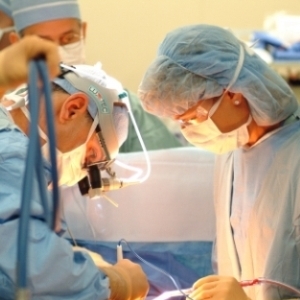
Local treatment of breast cancer comprises of controlling, removal, or destruction of the cancerous breast cells. This breast cancer treatment by surgery is called mastectomy. Another local treatment is through radiation therapy. This involves the radiation beam of high intensity to destroy cancer cells in breasts. LINAC helps the beam to focus on cancer cells only and avoids damage to the adjacent healthy cells.

It is pertinent to follow a systematic treatment in case breast cancer has reached other parts of the body. Systematic treatment is your best bet to destroy or control cancer cells, spread throughout the body. This treatment involves various therapies such as hormone therapy, biological therapy, and chemotherapy.

Biological Therapy- In this therapy, the immune system of the patient is used to control or destroy cancer cells.

Hormone Therapy- This kind of therapy involves the use of particular drugs. These drugs restrain the manufacturing of hormones such as estrogen, in the body. Estrogen may revive the cancerous cells that may be left behind in the body after the surgery.

Chemotherapy- It comprises of use of drugs to control or destroy cancer cells.

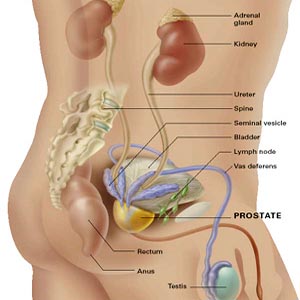
As this type of cancer is common in females, prostate cancer is found in men. Therefore, advanced cancer hospitals across the world are well equipped with a professional team of plastic surgeons, breast surgeons, medical oncologists, and a group of associated staff.

They are outfitted with hi-tech machinery that can be used for diagnosis and a successful treatment. They cater advanced facilities such as ICUs for patient supervision and recovery.

Author Bio

Ravi Kochhar is a health and fitness enthusiast. You can find trusted information on healthcare and fitness issues apart from treatment and cure for various health conditions on his blog Health n Fitness Care.



“Men ‘in denial’ over weight gain” (BBC/Cancer Research UK)

Around a quarter of British men are “in denial” about their waist measurement, a Cancer Research UK survey suggests. Official statistics show that 65% of adult men are overweight or obese, but the survey of over 2,000 men found only 40% thought they were in these groups. Most of the men questioned were unaware being overweight or obese, or inactive, increases the risk of cancer. Experts urged overweight men to become more active and eat a balanced diet rich in fruit and vegetables.
The survey was released to launch Cancer Research UK’s Man Alive Campaign. Around 65% of those questioned had no idea that being overweight or obese increased their chance of developing cancer, with 75% not aware that being physically inactive also increased their risk. The survey also found just 22% of those questioned eat five portions of fruit and vegetables per day, and two-thirds fail to meet the recommended target of 30 minutes of moderate exercise five times a week. Cancer Research UK experts said men were not heeding health warnings to maintain a healthy body weight.

Women ‘aware’

They warned obesity could be responsible for as many as 40,005 cases of cancer in UK men every year. Recently published research suggested obesity increases the risk of bowel cancer by 60%. Being obese also doubles the risk of being diagnosed with kidney, oesophageal and stomach cancer, as well as being a risk factor for bladder cancer. Good diet and regular exercise are two factors that can help in reducing the risk of developing cancer, they said. Professor Jane Wardle, the director of Cancer Research UK’s Health Behaviour Unit, said: “In the space of 10 years, the rate of obesity for British men has increased two thirds.

“Women are overweight too but our research shows that more of them know they have a problem and that’s the first step in putting it right.” She added: “Men need to be made aware of the problem, know how to fix the problem and be given the support to succeed. “Only then will they reduce their risk of cancer.” ‘Wake up call’ Dr Lesley Walker, director of information at Cancer Research UK, said: “It’s vital that men understand how they can reduce their risk of cancer.”The best present that anyone can give themselves is to stop smoking; it is by far the most important step in reducing cancer risk.” But she added: “In men who don’t smoke, obesity is one of the biggest known causes of preventable cancer.

“With rates of obesity for UK men growing faster than anywhere else in Europe, we are sounding a wake up call to all men and their partners to become more active, eat healthier diets and make sensible lifestyle choices. “To lose those spare tyres, be more active and eat a balanced diet that is rich in fruit and veg and low in sugar and fat.”


Breast Cancer Research Semi-postal Stamps

Breast Cancer Research Semi-postal Stamps are subject to special limitations and conditions:
    a. Breast Cancer Research Semi-postal Stamps provide a means for customers to make contributions toward breast cancer research. Breast Cancer Research Semi-postal Stamps are offered for sale for a limited time as provided under 39 U.S.C. 414.
    b. The price of the Breast Cancer Research Semi-postal Stamp is 40 cents. The postage value of the Breast Cancer Research Semi-postal Stamp is the First-Class Mail Non automation Single-Piece first-ounce letter rate in R100.1.2 that is in effect at the time of purchase. The difference between the purchase price and the First-Class Mail Non automation Single-Piece first-ounce letter rate in effect at the time of purchase constitutes a contribution to breast cancer research, and cannot be used to pay postage. Additional postage must be affixed to pieces weighing in excess of one ounce, pieces subject to the nonstandard surcharge, or pieces for which special services have been elected. The postage value of Breast Cancer Research Semi-postal Stamps is fixed according to the First-Class Mail Non automation Single-Piece first-ounce letter rate in effect at the time of purchase; the postage value of Breast Cancer Research Semi-postal Stamps purchased before any subsequent change in the First-Class Mail Non automation Single-Piece first-ounce letter rate is unaffected by any subsequent change in that rate.
    c. Contributions to breast cancer research made through purchase of Breast Cancer Research stamps are not refundable. The postage value of Breast Cancer Research stamps for purposes of exchange or conversion under P014 is determined by the First-Class Mail Non automation Single-
Piece rate in effect at the time of purchase


Armstrong Promotes Cancer Research

Associated Press

AUSTIN, Texas - With Lance Armstrong pushing for a record sixth consecutive Tour de France title this summer, his cancer research foundation is using the signature color of the world’s most grueling bicycle race for a new fund-raising campaign. The Lance Armstrong Foundation and Nike are promoting the sale of yellow wristbands engraved with the message, “Live Strong.”

“Yellow has taught me the true meaning of sacrifice. Yellow makes me suffer. Yellow is the reason I’m here,” Armstrong said. “Young people with cancer should be empowered to fight hard, dream big and live strong.”

The company will donate $1 million to the foundation, which hopes to raise an additional $5 million through wristband sales. Proceeds will go to the foundation for programs for young people with cancer. Foundation President Mitch Stoller said officials hope the wristbands will become as recognizable as the pink ribbons associated with breast cancer.

Armstrong overcame advanced testicular cancer that had spread to his lungs and brain. He went from having a 50 percent chance to live in 1996 to a string a five straight tour wins from 1999-2003, forever linking himself with the yellow jersey worn by the tour leader and champion.


PROSTATE CANCER RESEARCH FUNDING

Mr. President, I would like to call the attention of my colleagues to a national health epidemic that kills 40,000 American men every year and strikes hundreds of thousands more each year-prostate cancer. I am concerned about this disease and its impact on American men, particularly its disproportionate impact on African-American men.
  For too long prostate cancer has been a silent killer. Too little has been known about it. Too little was said about it. Too little has been done about it. Fortunately, in recent years many prominent national figures like Senator Bob Dole, General Norman Schwarzkopf, Arnold Palmer, Sidney Poitier, Andy Grove, and Harry Belafonte have come forward to discuss their personal battles with prostate cancer. The admirable leadership of these men and others has helped educate the country about the importance of screening and early diagnosis of prostate cancer, and the need for all of us to do more to fight this disease.
  Mr. President, prostate cancer is the most commonly occurring non- skin cancer in the United States. In 1997, more than 200,000 men were diagnosed with prostate cancer and 41,800 died of the disease. Every three minutes a new case of prostate cancer is diagnosed and every 13 minutes someone dies from the disease. While it is often thought to be an older man’s disease, younger men are increasingly diagnosed with prostate cancer. In fact, about 20 percent of prostate cancers are now occurring in men between the ages of 40 and 60.
  Although prostate cancer accounts for approximately 20 percent of all new non-skin cancers, it receives less than four percent of federal cancer research funding. In 1996, approximately the same number of lives were lost due to prostate cancer breast cancer and AIDS. In 1997, however, while prostate cancer deaths continued to rise, deaths due to breast cancer and AIDS declined. Nevertheless, the federal commitment to prostate cancer research has not even kept pace with these other
priorities.
  Clearly, I am not advocating reduced funding for breast cancer or AIDS research programs. I have been one of the major champions of breast cancer and AIDS research funding. Rather, I use these comparisons to make the point that much more must be done to address the prostate cancer epidemic as well. How can we face the hundreds of thousands of men and their families who are daily affected by prostate cancer knowing, for instance, that more money was spent to make the movie Titanic-more than $200 million-than was spent in 1997 by the federal government for prostate cancer research-only $120 million?
  The possibility and the fear of developing prostate cancer are common to all men. One in five American men will develop prostate cancer during his lifetime. As frightening as that statistic may be for the general population, it is even more pointed in the African-American community. African-American men have a prostate cancer incidence more than 30 percent higher than for any other ethnic groups in this country and the highest in the world.
  The prostate cancer mortality rate for African-American men is more than twice that of white American men. Researchers do not yet know why this is true and do not yet have answers to these and the many other questions about prostate cancer. For example, it is not clear which prostate cancer patients will benefit from traditional treatments, like surgery or radiation. The economic status of many African-American men, and limited access to medical counseling further complicated treatment decisions.
  Those who are devoted to relieving the burden of prostate cancer in the African-American community, including scientists, health care providers, national organizations, community leaders, and survivors alike, are united in their desire to find answers to these questions. I am particularly pleased with the leadership of many national organizations in informing the country about the impact of prostate cancer in the African-American community. In November of last year, the American Cancer Society, the National Cancer Institute, and the Centers for Disease Control and Prevention sponsored A Leadership Council on Prostate Cancer in the African-American Community. In cooperation with the Intercultural Cancer Council, the National Black Leadership Initiative on Cancer, the National Prostate Cancer Coalition and the 100 Black Men of America, the Leadership Conference proposed a blueprint for action that aims to solve the problem of prostate cancer in the African-American community.
  These private organizations-and many others-are working very hard at the community and national levels to see that the prostate cancer epidemic is addressed. That a letter that 29 organizations representing the African-American community sent to Congress in May laying out a research funding agenda to attack this problem be printed in the Record.

NOT RELATED… IMPORTANT CANCER RESEARCH

The American Cancer Society will donate 3 cents for cancer research to everyone who receives this letter. Or should that read: “cancer research ON everyone.
BTW, so-called science has done a miserable job “curing” cancers. Most of the “improvements” in cure rates are due to the fact that they are now calling things “cancer” that were never considered cancer before. The ACS is almost complete bs. (I used to work for them — it’s a social club, and they’re ignoramuses.) Ditto the AMA (Twenty-three years ago I was given 6-10 years to live. What do they say now? “Well, you must not have had it, then.” Ah, but that wouldn’t have stopped you guys from gutting me like a fish, radiating me and dumping chemo toxins through me, would it? Yeah, if I’d followed their treatment, I would have been lucky to live 6-10 years.) In a very short time, 20th Century medicine will be written off as the dark ages.

Your best treatment at the present time, following the advice of Baron von Munchausen, is “no doctors”. Get literate. Know your body. Take every nutritional supplement on earth and try to be sure your body has everything it needs, get plenty of rest, and your body will do a better job healing itself than these arrogant clowns in medicine ever could.


CALL FOR SUBJECTS FOR PSILOCYBIN / CANCER RESEARCH

Can psilocybin reduce death anxiety in end-stage cancer patients? That is the question a new study at Harbor-UCLA hopes to answer. In a recent story about this FDA-approved study, Judith Lewis of the LA Weekly Times had this to say:

“Almost as soon as Dr. Charles Grob secured approval to study the effects of psilocybin on Stage IV cancer patients, he faced another challenge, one nearly as formidable: recruiting 12 participants. Unlike so many other experiments in radical cancer treatment, Grob’s does not offer a cure; he merely hopes to find that psilocybin, the most potent of the many compounds in psychedelic mushrooms, ameliorates a dying person’s fear of death. The study targets patients relegated to ‘palliative’ treatment, people with metastatic cancer for whom there is no reasonable hope for remission. It is a segment of the population, says the National Cancer Policy Board of the Institute of Medicine - which put out a call in 2001 for ‘novel’ approaches to palliative treatment - largely ignored by medical science.”


Research and Markets: Cancer Genomics: Revolutionizing Treatment and Reshaping Markets through Targeted Therapies

Cancer Genomics: Revolutionizing Treatment and Reshaping Markets through Targeted Therapies provides a realistic assessment of what genomics technology will bring to the cancer treatment field within the next decade. Oncology has been impacted more strongly by genomics and related technologies than any other indication area. Cancer arises from genetic changes in cells and hence, the availability of tools to better understand exactly how this occurs is revolutionizing the field.
Rational cancer drug design, or targeted therapy development, has become the major focus in this field. Drugs like Genentech/Roche’s Herceptin, and Novartis’ Gleevec, illustrate how this new paradigm can be successful. However, as in many other areas, target validation is the rate-limiting step in cancer drug discovery and development. Another major issue is the development of accompanying markers and assays, both to validate the drug’s mechanism of action and to identify subgroups of patients whose cancers have the biochemical attributes necessary for a response. It has proven extremely difficult
to find these, and to develop accurate tests. This report evaluates current efforts to overcome these hurdles, and addresses the following key focus areas:
- Efforts to single out targets related to the signal transduction network within cells that are instrumental to growth, proliferation, cell death, and angiogenesis. Genomics is also being applied to identify surface tumor antigens that may function as targets for the development of tumor vaccines and mAb-based products.
- The use of genomics to further elucidate many established pathways in tumorgenesis and rogression, and to identify and describe many new avenues and specific targets.
- The race to develop cancer agents based on antagonizing growth factor receptors. Approximately 20 drugs exploiting this mechanism are in clinical trials. This report is a useful summary to marketing and licensing departments that need to quickly assess the latest developments in cancer genomics. It will also enable R&D and commercial departments to assess competitive developments, and help guide possible collaborations with specialist companies to complement in-house activities.

More Cancer Research

I am Joanne Freundlich, a wife and mother of two young children.  I have an MBA in finance, and experience in securities analysis and teaching finance at a major university.

        I heard the words, “You have ovarian cancer” about 5 years ago, when my son was 6 months old, and my daughter was 5.  The past 5 years have been hell for our family: numerous abdominal surgeries and countless chemotherapies have not arrested my disease (I am still on treatment); and my family has gone through years of worry.  I am not alone; nearly 6 million Americans have heard, “You have cancer” in the past 5 years.  More than 12 million Americans have died of cancer since the “War Against Cancer” was declared in 1971.  Few of us are the proverbial 95 year old who many think is the typical cancer
patient.  And cancer incidence and mortality rates are rising despite progress for some cancers.

        In September, as an individual with no help from large organizations, I began a letter-writing campaign to make people aware of what is not being done for cancer research.  I herewith submit 3000 signed petition letters from all across the country. These letters were passed from person to person, individually, and mailed to me, often with personal notes about families decimated by cancer.  We ask for full funding of the National Cancer Institute’s 1996 Bypass Budget request.  We need more cancer research, and sufficient funding so that money for one cancer does not come at the expense of another.  Yes, I want a cure for ovarian cancer-preferably today-for myself and other women.  But I also love my son, and I do not want a cure for me to come at the cost of his life.

        Cancer gets no respect.  Cancer research received only $2 billion last year in the face of 1.2 million casualties, 565,000 dead (200,000 under 65), and an economic cost of more than $110 billion. Cancer, a disease expected to be the #1 killer by the year 2000, has no National Tumor Registry to keep track of the number and epidemiology of victims- -and numbers that do come out are downplayed. Presidentally-appointed experts say that $3 billion is needed to fight a winning war, and only two-thirds of that amount is appropriated.  If the “experts” are incompetent, fire them, and get ones you trust, but fight the war.  If a foreign power killed 565,000 Americans in one year, we would declare all- out war.  Why do we do less to fight the enemy within?

        More cancer research will also help our economy.  The space program and the success of our military during Desert Storm were not accidents.  Our government committed to put a man on the moon, and to have a strong defense industry.  We saw research as an opportunity, a “public good” deserving of public funding.  It still is.  More cancer research means more high-paying jobs, the hope of better treatments and lower health care costs, more exports to a world hungry for cancer cures, and maintaining America’s eminence in the world science community.   Nobody does science and medicine better; we just don’t do enough of it.

        The private sector alone cannot finance this progress.  Basic research is expensive and risky in terms of results and time-frame of results. Worse, FDA policies and talk of profit controls have made the already-risky and costly business of producing new drugs even riskier.  Biotechnology firms raised less than $1 billion in the capital markets in early 1994 before their most active underwriter stopped making markets in their stocks, accelerating a decline in stock prices.  From where will progress come if both the government and the private sector cut back?

        We must treat cancer research as vital to the national interest.  Ignoring cancer will not make it go away.  Funding 2/3 of the NCI budget is not good enough.  Fewer researchers fighting cancer now than in 1984 is not good enough, especially since a sizable chunk of those researchers are earmarked for AIDS.  I might add that an earlier speaker mentioned that ten AIDS drugs have been developed and marketed in the past 15 years, far more than new cancer drugs.  Those AIDS drugs only appeared
because AIDS research has built on the foundations of cancer research.  When I see my children, or think of your children or grandchildren, all at risk of cancer, I know that 50 years to more cancer cures is not good enough.  Spending fewer real dollars on cancer research each year, and letting good projects go unfunded, sends a clear message:  If you have cancer, or are one of the 80 million current Americans who will test positive for cancer, “Drop Dead”.  It tells top students:  find something to do other than cancer research.

        Take science to the limit.  Use the dedicated and highly trained researchers and good research opportunities we have available.  They could be a powerful engine of economic growth.  Inspire them, provide them with resources they need to achieve success, make them accountable-and set them free.

        If you vote against fully funding the war against cancer, then sign a pledge that if you or someone you love is diagnosed with cancer, you will pull no strings to get special privileges from the NCI or access to NCI experimental treatments.  Of course, pulling all the strings in the world is useless in any case:  the “magic bullets” do not exist and will not exist unless more research is supported.  See this as a special form of the Shays Accountability Act:  If you are willing to consign millions of people you represent to death, it is fair that you also suffer.

GEORGE BUSH SMEARS JOHN MCCAIN ABOUT BREAST CANCER RESEARCH

Today, when ABC’s Dean Reynolds questioned Geroge Bush saying, If John McCain’s older sister Sandy was batteling (for her life with) breast cancer, would you have run the breast cancer ad, Geroge Bush’s answer sounded rather cold. Geroge Bush: “All the more reason to remind him of what he said about the research that goes on here.  I’m sorry if that is the case. In fact John McCain as are many Senators supporters of Cancer Research.

The facts are:

In 1991, John McCain he was a co-sponser of legislation to increase funding for womens health issues, including breast cancer research and ostoporisis, at the National Cancer Institute by $25 million. John McCain supported the creation of the breast cancer stamp by the U.S. postal service to raise money for public and private breast cancer research projects.

John McCain co-sponsered legislation requiring that insurance plans cover minimum hospital stays for mastectomies and lymph node dissections. John McCain co-sponsered legislation this year to expand direct access to obstetric and gynecological care women.

John McCain fought to expand Medicare coverage to include mammography screening and colorectal screening for seniors. Forward this to all breast cancer web sites and have them call Geroge W. Bush and ask him why he would do something like this in New York — just to try and get votes from women.  My mother’s best friend is a recent breast cancer survivor and we watched her family go through hell.